
5 Restaurant Cleaning Habits That Protect Your Customers and Your Reputation
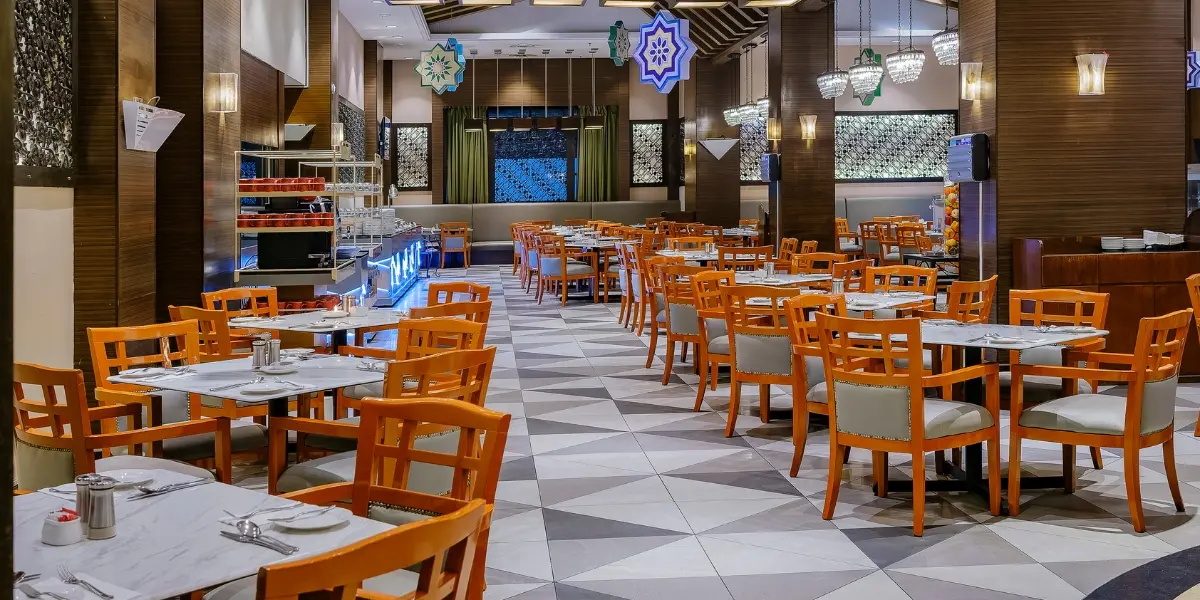
Restaurant diners don't just eat in your kitchen. They use your restrooms. They walk your floors. They make decisions about your food safety based on what they see and smell before they ever take a bite.
Cleanliness isn't just a compliance requirement. It's a trust signal — and in the restaurant industry, trust is your most valuable asset. Here are five cleaning habits that separate restaurants diners return to from ones they warn their friends about.
1. Treat Your Restroom Like the Front of the House
Research consistently shows that diners associate a dirty restroom with a dirty kitchen. It's an unfair leap — but it's a real one. A single negative restroom experience can end a customer relationship and generate a one-star review.
Restaurant restrooms deserve the same attention and standards as your dining room — including scheduled checks throughout service, not just at open and close. A quick visual inspection takes under two minutes. The alternative can cost you a lot more.
2. Stop Mopping. Start Removing Soil.
A mopped floor looks clean. It rarely is. Traditional mop heads absorb and redistribute contaminated water across every surface they touch. By the time you've finished the dining room, you've spread what you started with.
True floor cleaning removes soil — it doesn't just move it around. In kitchens and service areas especially, grease, food residue, and biological soils build up in ways that mops can't address. High-pressure cleaning systems apply the right chemistry, agitate soils, and extract them — leaving surfaces actually clean rather than visually clean.
3. Build Your Cleaning Schedule Around Traffic, Not the Clock
Most restaurant cleaning schedules are built on habit: morning setup, midday check, close-of-day deep clean. But restrooms and high-traffic areas soil faster during a busy lunch rush than during a slow Tuesday afternoon.
Match your cleaning intervals to actual traffic. During peak service, restroom checks should happen every 30–45 minutes. Assign accountability clearly, track it consistently, and give your team the tools to handle it efficiently — because when the system is quick and easy, it actually gets done.
4. Train Your Team on the Stakes, Not Just the Steps
Handing someone a spray bottle and a checklist isn't training. It's delegation without context.
Cleaning professionals who understand the why behind their work bring more care and consistency to it. Explain what cross-contamination means in a food service environment. Talk through what a health inspector looks for. Connect a clean restroom to a positive review and a repeat customer. Workers who are treated as skilled professionals — not just labor — perform like skilled professionals.
5. Use Equipment Built for This Pace
Underpowered tools force workers to compensate — with more time, more effort, and more repeated passes. That's waste your operation can't afford. It also leads to shortcuts, and shortcuts lead to missed areas, which lead to problems.
Cleaning systems designed for the speed and demands of food service let your team maintain standards without burning out trying to meet them. The right equipment reduces labor time, produces better results, and protects the people doing the work — which means they stick around longer and do the job better.
A Cleaner Restaurant Is a Better Business
Cleanliness in a restaurant isn't just about passing your next health inspection. It's about building the kind of environment where customers feel good, workers take pride, and your reputation does some of the marketing for you.
If your current cleaning program relies on tired tools and guesswork scheduling, it's worth taking a closer look. Kaivac builds systems that help food service facilities clean faster, more thoroughly, and at lower cost — starting with the areas that matter most to your customers.
Kaivac Staff
Related Posts

Delight Clients While Saving Time and Money with UniVac
Behind every serene dining room is a kitchen full of grease and spills. Here is how the UniVac helps corporate dining programs clean faster, cut costs, and win over their own staff in the process.
Read more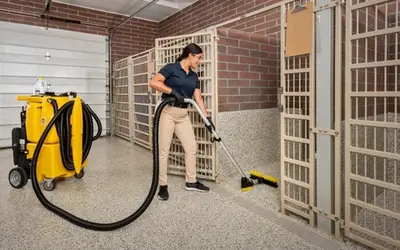
The Prodigal Pooch Loses Odors, Gains Clients Thanks To No-Touch Cleaning System
The change at The Prodigal Pooch was immediate. After just two days of using No-Touch Cleaning the look, smell, and feel in the kennel rooms improved. Two weeks later the odor was completely gone.
Read more